
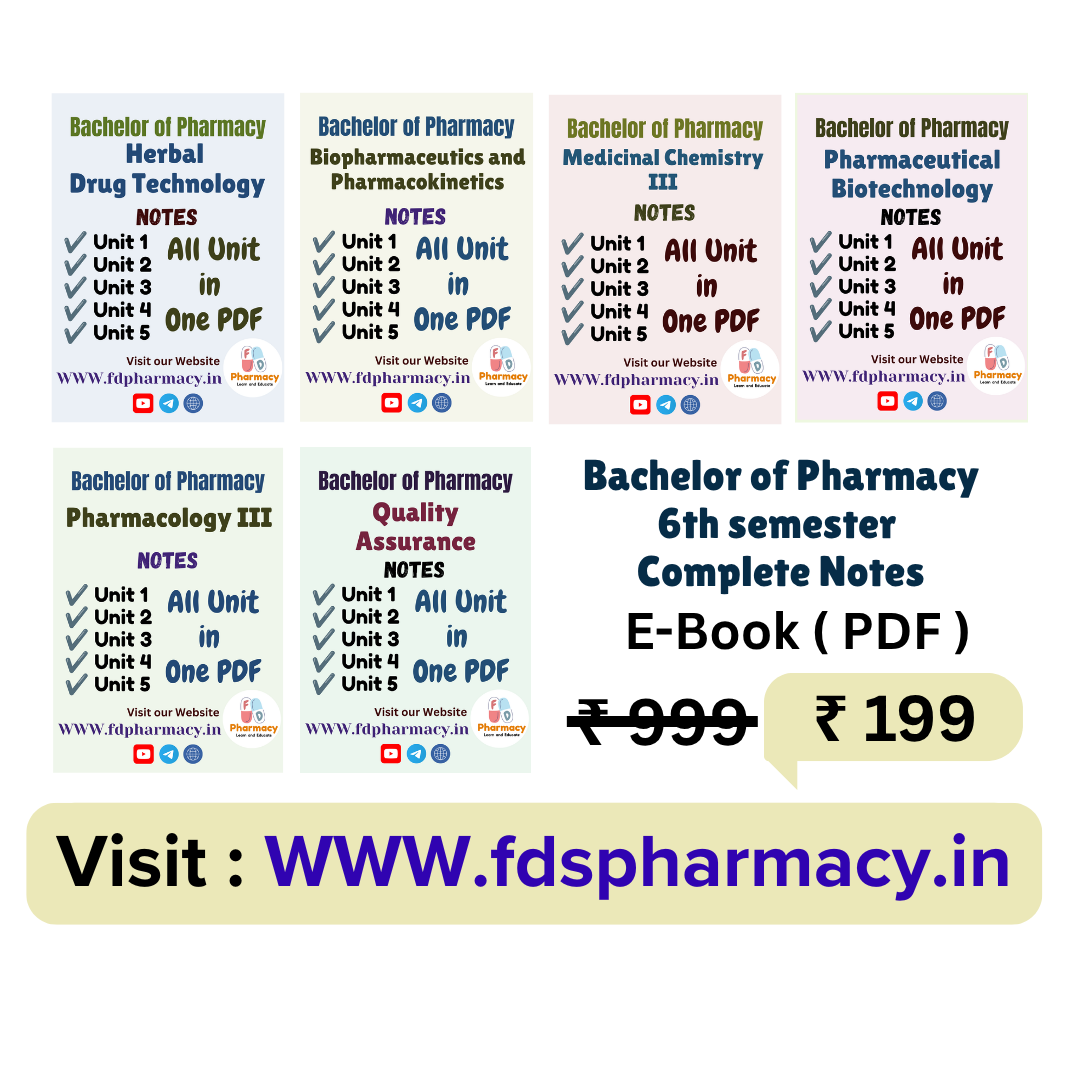
B.Pharma Notes, B.Pharmacy 6th Semester Notes
B.Pharmacy 6th Semester Notes
Original price was: ₹999.00.₹199.00Current price is: ₹199.00.
For any Support : fdspharmacyinfo@gmail.com or DM on 8057720526
Bachelor of Pharmacy (B.Pharma)
Medicinal Chemistry – III { BP601T }
All Unit Notes in One PDF
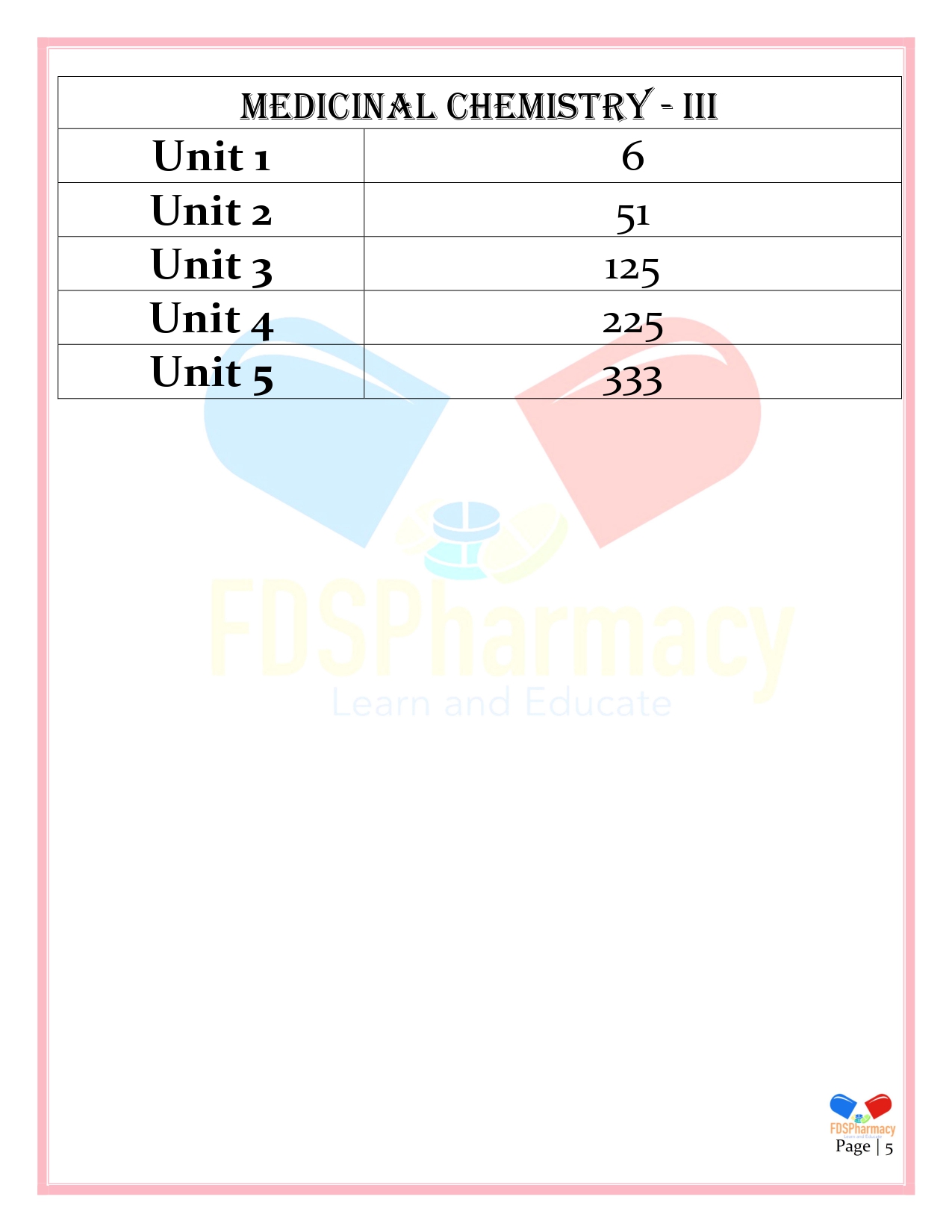
Unit 1
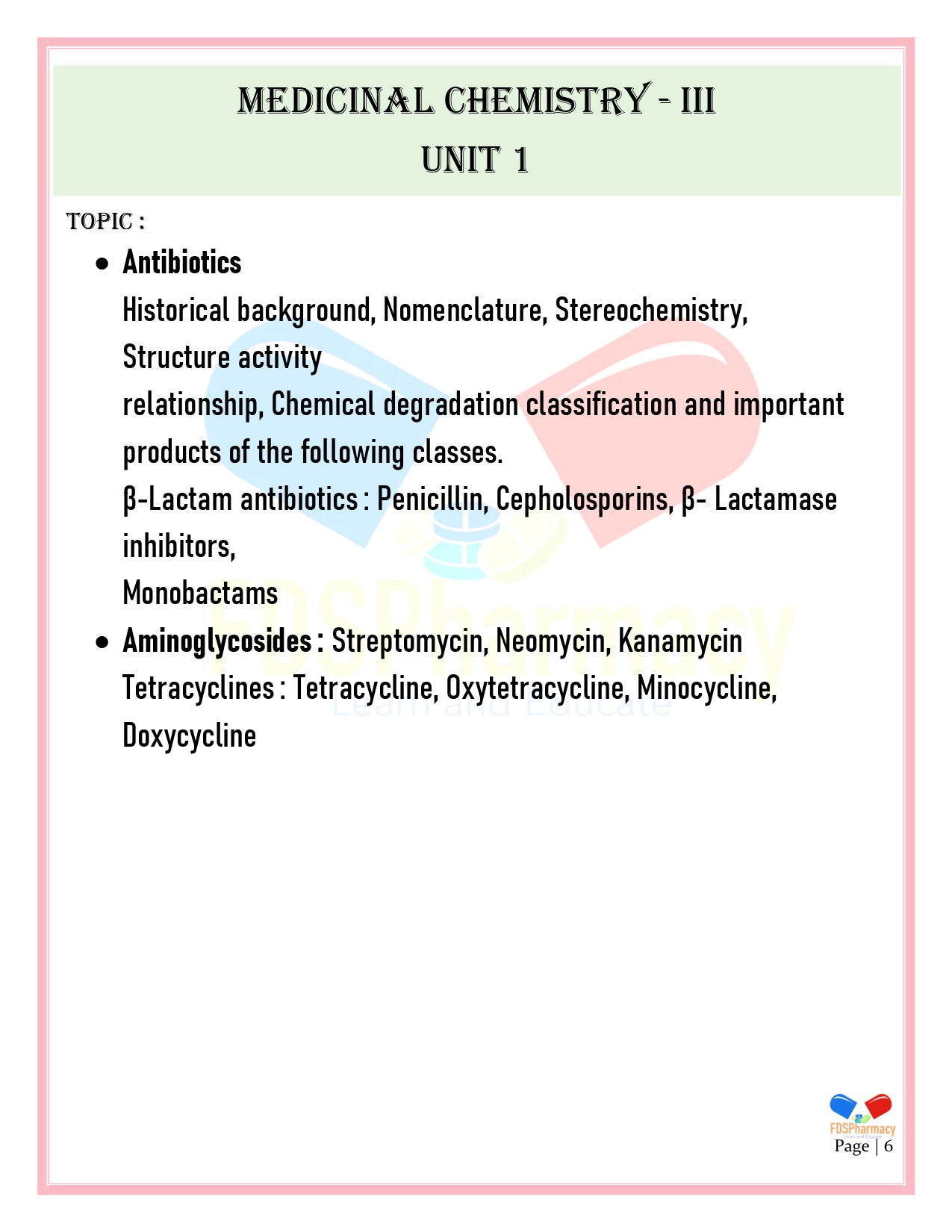
Antibiotics
Historical background, Nomenclature, Stereochemistry, Structure activity
relationship, Chemical degradation classification and important products of the following classes.
β-Lactam antibiotics : Penicillin, Cepholosporins, β- Lactamase inhibitors, Monobactams
Aminoglycosides : Streptomycin, Neomycin, Kanamycin
Tetracyclines : Tetracycline, Oxytetracycline, Minocycline, Doxycycline
Unit 2
Antibiotics
Historical background, Nomenclature, Stereochemistry, Structure activity
relationship, Chemical degradation classification and important products of the following classes.
Macrolide : Erythromycin Clarithromycin, Azithromycin.
Miscellaneous : Chloramphenicol*, Clindamycin.
Prodrugs : Basic concepts and application of prodrugs design.
Antimalarials : Etiology of malaria.
Quinolines : SAR, Quinine sulphate, Chloroquine, Amodiaquine, Primaquine phosphate, Pamaquine, Quinacrine hydrochloride, Mefloquine.
Biguanides and dihydro triazines : Cycloguanil pamoate, Proguanil.
Miscellaneous : Pyrimethamine, Artesunete, Artemether, Atovoquone.
Unit 3
Anti-tubercular Agents
Synthetic anti tubercular agents : Isoniozid, Ethionamide, Ethambutol, Pyrazinamide, Para amino salicylic acid.
Anti tubercular antibiotics : Rifampicin, Rifabutin, Cycloserine Streptomycine, Capreomycin sulphate.
Urinary tract anti-infective agents
Quinolones : SAR of quinolones, Nalidixic Acid,Norfloxacin, Enoxacin, Ciprofloxacin, Ofloxacin, Lomefloxacin, Sparfloxacin, Moxifloxacin
Miscellaneous : Furazolidine, Nitrofurantoin, Methanamine.
Antiviral agents :
Amantadine hydrochloride, Rimantadine hydrochloride, Idoxuridine trifluoride, Acyclovir*, Gancyclovir, Zidovudine, Didanosine, Zalcitabine, Lamivudine, Loviride, Delavirding, Ribavirin, Saquinavir, Indinavir, Ritonavir.
Unit 4
Antifungal agents :
Antifungal antibiotics : Amphotericin-B, Nystatin, Natamycin, Griseofulvin.
Synthetic Antifungal agents : Clotrimazole, Econazole, Butoconazole, Oxiconazole Tioconozole, Miconazole, Ketoconazole, Terconazole, Itraconazole, Fluconazole, Naftifine hydrochloride, Tolnaftate.
Anti-protozoal Agents : Metronidazole, Tinidazole, Ornidazole, Diloxanide, Iodoquinol, Pentamidine Isethionate, Atovaquone, Eflornithine.
Anthelmintics : Diethylcarbamazine citrate, Thiabendazole, Mebendazole*, Albendazole, Niclosamide, Oxamniquine, Praziquantal, Ivermectin.
Sulphonamides and Sulfones
Historical development, chemistry, classification and SAR of Sulfonamides: Sulphamethizole, Sulfisoxazole, Sulphapyridine, Sulphamethizine, Sulfacetamide, Sulfamethoxaole, Sulphadiazine, Mefenide acetate, Sulfasalazine.
Folate reductase inhibitors : Trimethoprim, Cotrimoxazole.
Sulfones : Dapsone.
Unit 5
Introduction to Drug Design
Various approaches used in drug design.
Physicochemical parameters used in quantitative structure activity relationship (QSAR) such as partition coefficient, Hammet’s electronic parameter, Tafts steric parameter and Hansch analysis. Pharmacophore modeling and docking techniques.
Combinatorial Chemistry : Concept and applications
chemistry : solid phase and solution phase synthesis
Pharmacology – III { BP602T }
All Unit Notes in One PDF
Unit 1
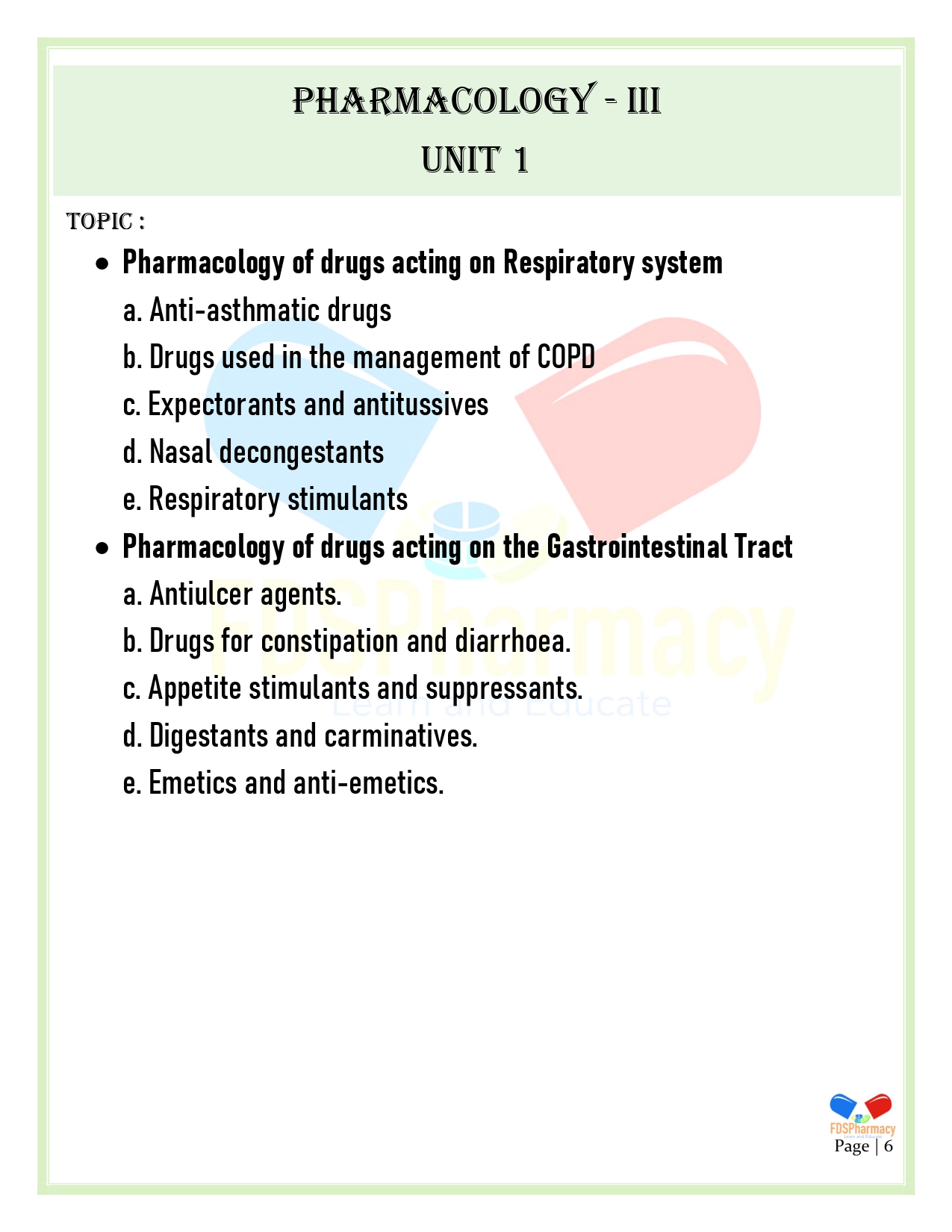
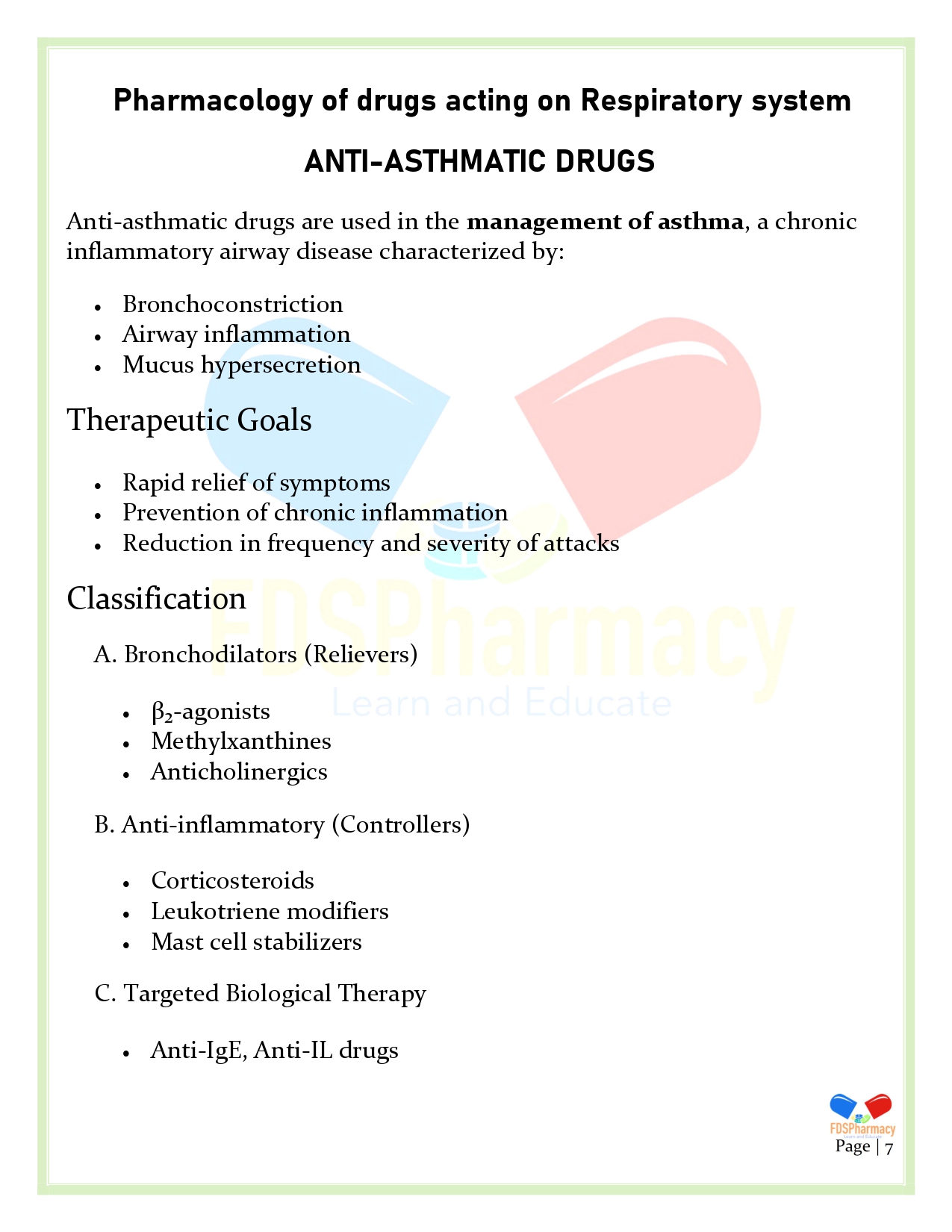
1. Pharmacology of drugs acting on Respiratory system
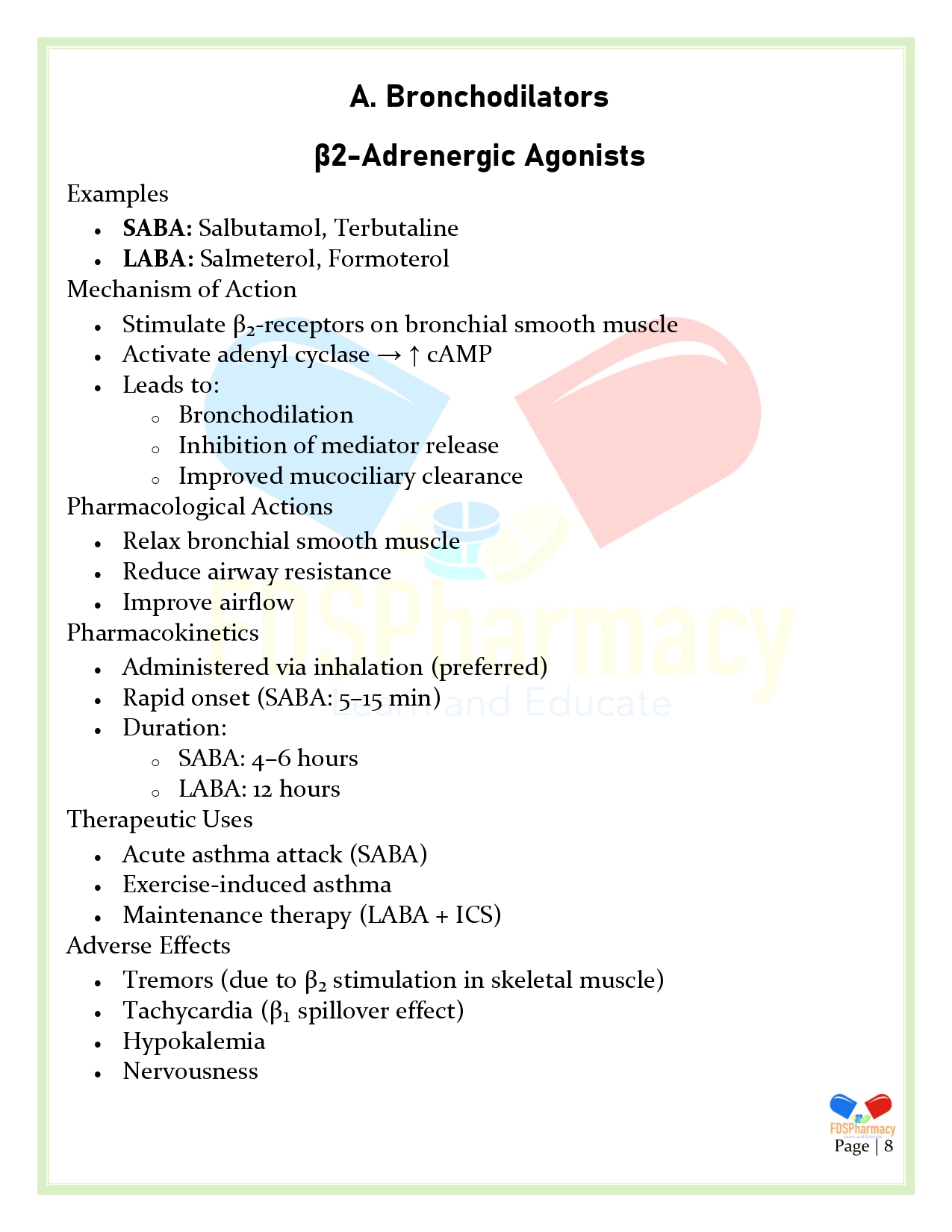
a. Anti-asthmatic drugs
b. Drugs used in the management of COPD
c. Expectorants and antitussives
d. Nasal decongestants
e. Respiratory stimulants
2. Pharmacology of drugs acting on the Gastrointestinal Tract
a. Antiulcer agents.
b. Drugs for constipation and diarrhoea.
c. Appetite stimulants and suppressants.
d. Digestants and carminatives.
e. Emetics and anti-emetics.
Unit 2
Chemotherapy
a. General principles of chemotherapy.
b. Sulfonamides and cotrimoxazole.
c. Antibiotics- Penicillins, cephalosporins, chloramphenicol, macrolides, quinolones and fluoroquinolins, tetracycline and aminoglycosides
Unit 3
Chemotherapy
a. Antitubercular agents
b. Antileprotic agents
c. Antifungal agents
d. Antiviral drugs
e. Anthelmintics
f. Antimalarial drugs
g. Antiamoebic agent
Unit 4
Chemotherapy
l. Urinary tract infections and sexually transmitted diseases.
m. Chemotherapy of malignancy.
Immunopharmacology
a. Immunostimulants
b. Immunosuppressant
Protein drugs, monoclonal antibodies, target drugs to antigen, biosimilars
Unit 5
Principles of toxicology
a. Definition and basic knowledge of acute, subacute and chronic toxicity.
b. Definition and basic knowledge of genotoxicity, carcinogenicity, teratogenicity and mutagenicity
c. General principles of treatment of poisoning
d. Clinical symptoms and management of barbiturates, morphine,organophosphosphorus compound and lead, mercury and arsenic poisoning.
Chronopharmacology
a. Definition of rhythm and cycles.
b. Biological clock and their significance leading to chronotherapy
Herbal Drug Technology { BP603T }
All Unit Notes in One PDF
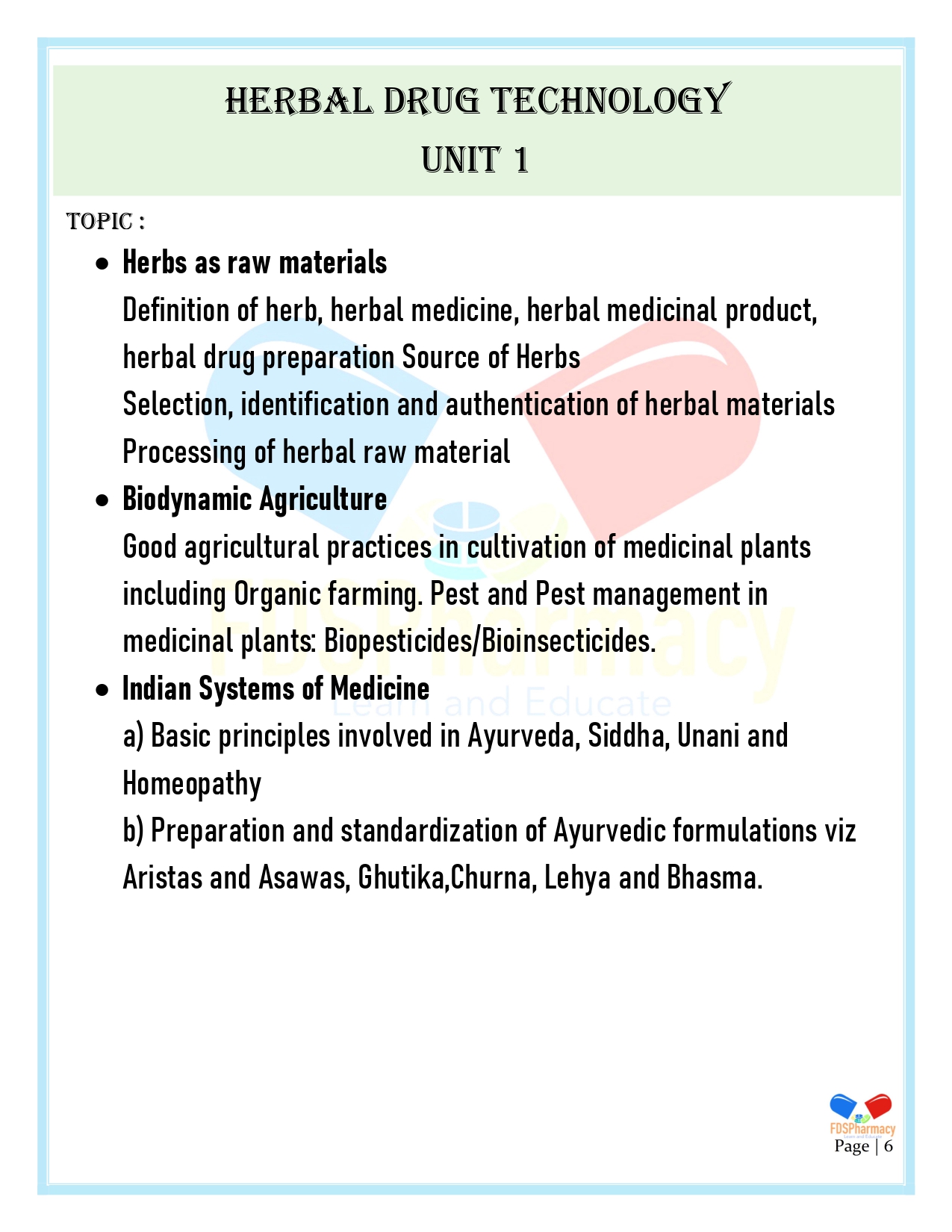
Unit 1
Herbs as raw materials
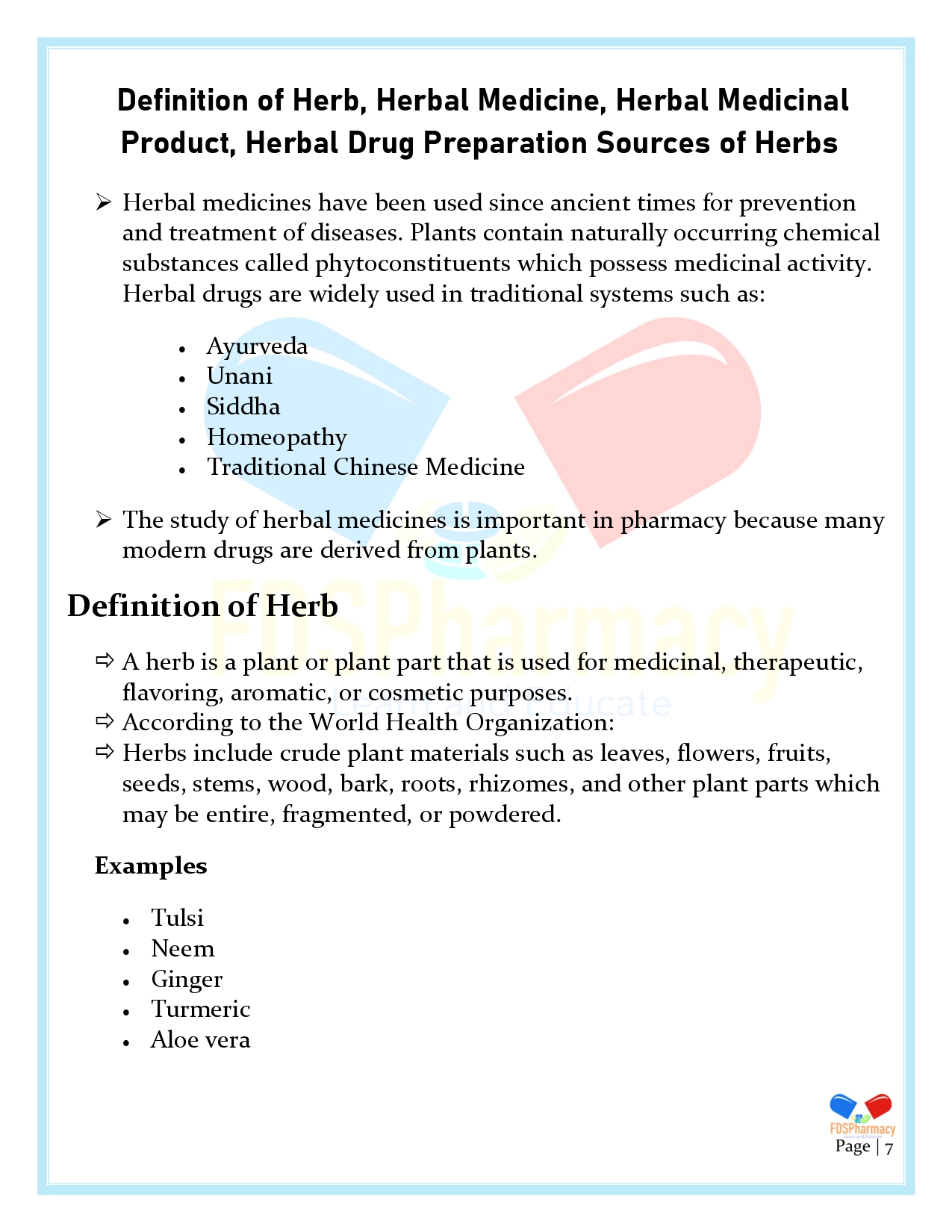
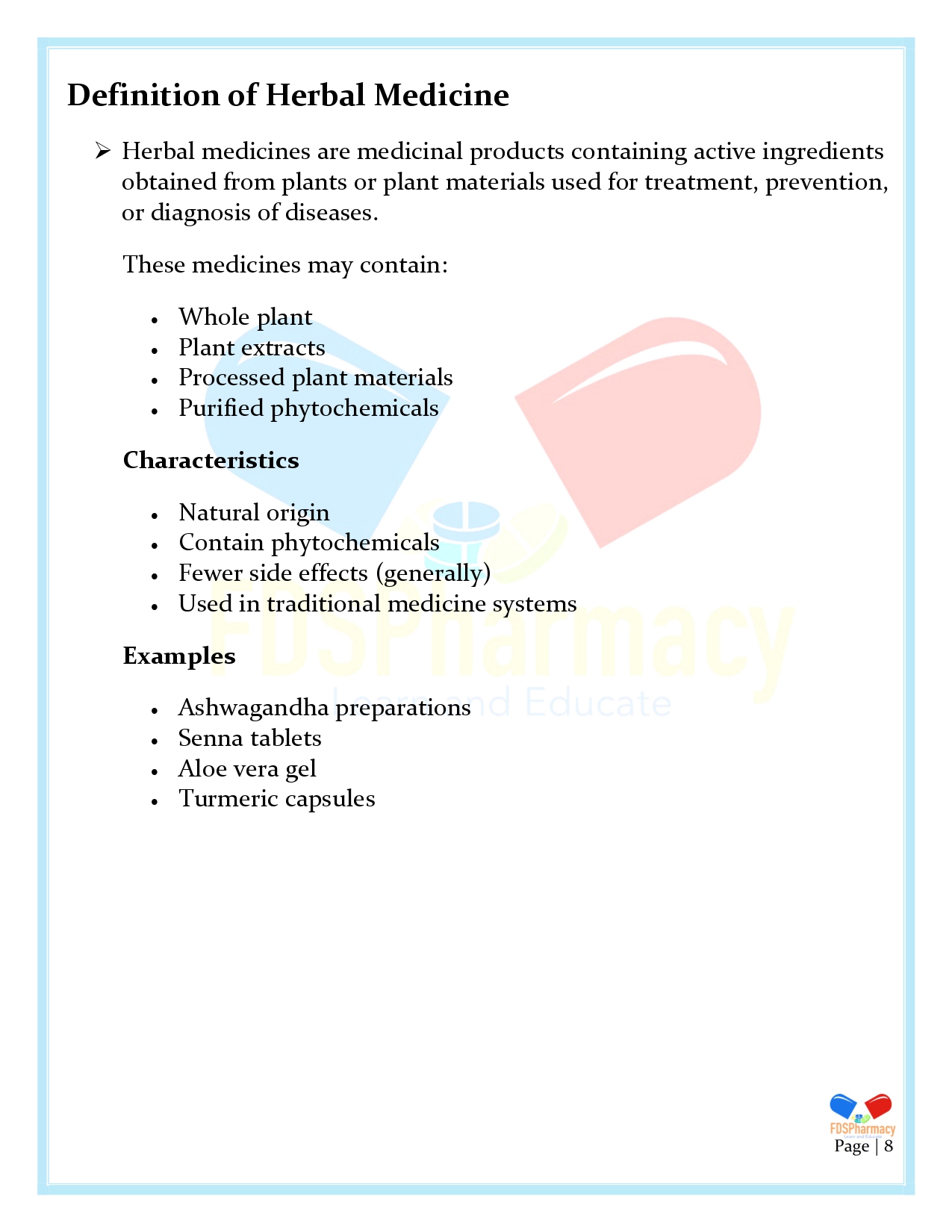
Definition of herb, herbal medicine, herbal medicinal product, herbal drug preparation Source of Herbs
Selection, identification and authentication of herbal materials
Processing of herbal raw material
Biodynamic Agriculture
Good agricultural practices in cultivation of medicinal plants including Organic farming. Pest and Pest management in medicinal plants: Biopesticides/Bioinsecticides.
Indian Systems of Medicine
a) Basic principles involved in Ayurveda, Siddha, Unani and Homeopathy
b) Preparation and standardization of Ayurvedic formulations viz Aristas and Asawas, Ghutika,Churna, Lehya and Bhasma.
Unit 2
Nutraceuticals
General aspects, Market, growth, scope and types of products available in the market. Health benefits and role of Nutraceuticals in ailments like Diabetes, CVS diseases, Cancer, Irritable bowel syndrome and various Gastro intestinal diseases.
Study of following herbs as health food: Alfaalfa, Chicory, Ginger, Fenugreek, Garlic, Honey, Amla, Ginseng, Ashwagandha, Spirulina
Herbal-Drug and Herb-Food Interactions : General introduction to interaction and classification. Study of following drugs and their possible side effects and interactions: Hypercium, kava-kava, Ginkobiloba, Ginseng, Garlic, Pepper & Ephedra.
Unit 3
Herbal Cosmetics
Sources and description of raw materials of herbal origin used via, fixed oils, waxes, gums colours, perfumes, protective agents, bleaching agents, antioxidants in products such as skin care, hair care and oral hygiene products.
Herbal excipients :
Herbal Excipients– Significance of substances of natural origin as excipients– colorants, sweeteners, binders, diluents, viscosity builders, disintegrants, flavors & perfumes.
Herbal formulations :
Conventional herbal formulations like syrups, mixtures and tablets and Novel dosage forms like phytosomes
Unit 4
Evaluation of Drugs WHO & ICH guidelines for the assessment of herbal drugs Stability testing of herbal drugs.
Patenting and Regulatory requirements of natural products :
a) Definition of the terms: Patent, IPR, Farmers right, Breeder’s right, Bioprospecting and Biopiracy
b) Patenting aspects of Traditional Knowledge and Natural Products. Case study of Curcuma &Neem.
Regulatory Issues – Regulations in India (ASU DTAB, ASU DCC), Regulation of manufacture of ASU drugs- Schedule Zof Drugs & Cosmetics Act for ASU drugs.
Unit 5
General Introduction to Herbal Industry
Herbal drugs industry : Present scope and future prospects.
A brief account of plant based industries and institutions involved in work on medicinal and aromatic plants in India.
Schedule T– Good Manufacturing Practice of Indian systems of medicine
Components of GMP (Schedule– T) and its objectives
Infrastructural requirements, working space, storage area, machinery and equipments, standard operating procedures, health and hygiene, documentation and records.
Biopharmaceutics and Pharmacokinetics { BP604T }
All Unit Notes in One PDF
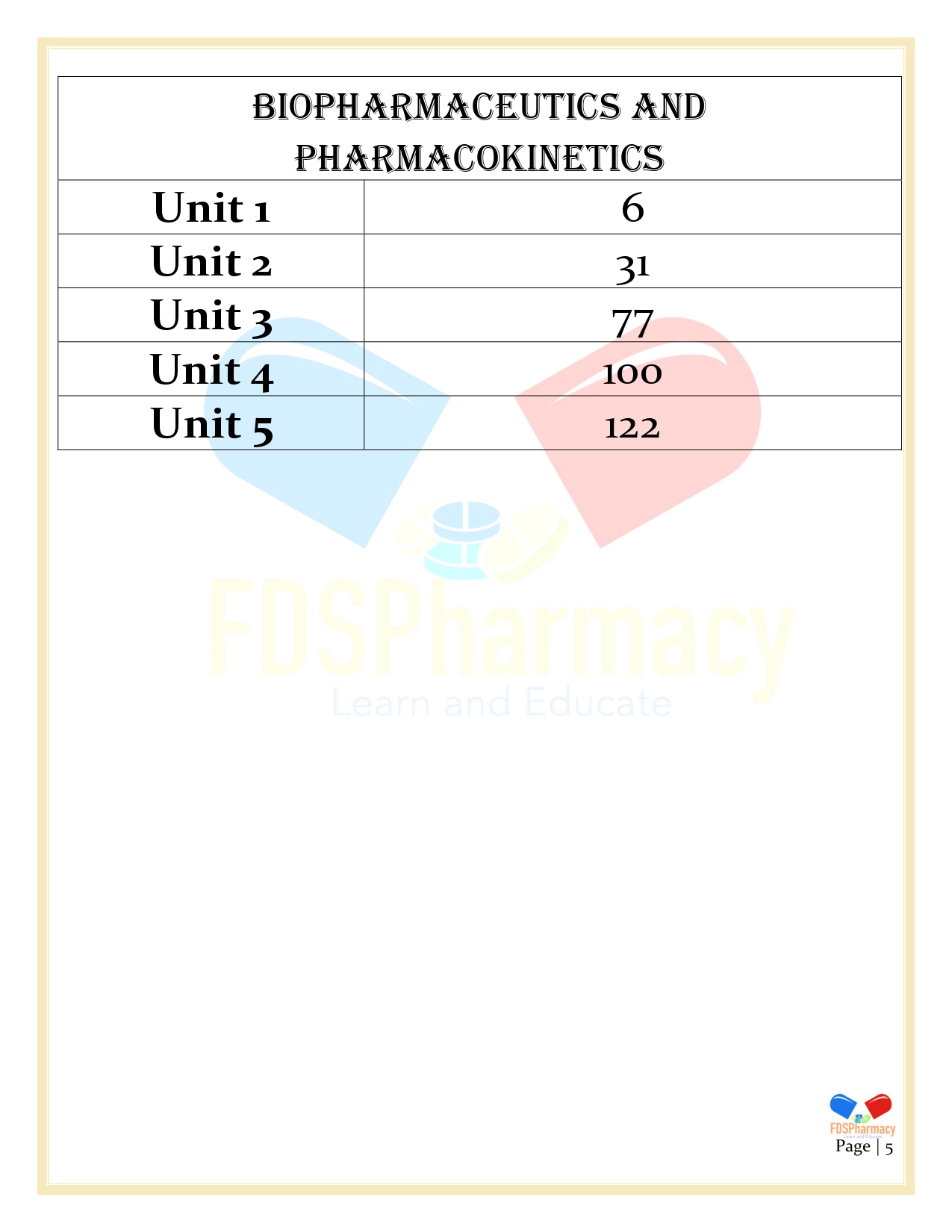
Unit 1
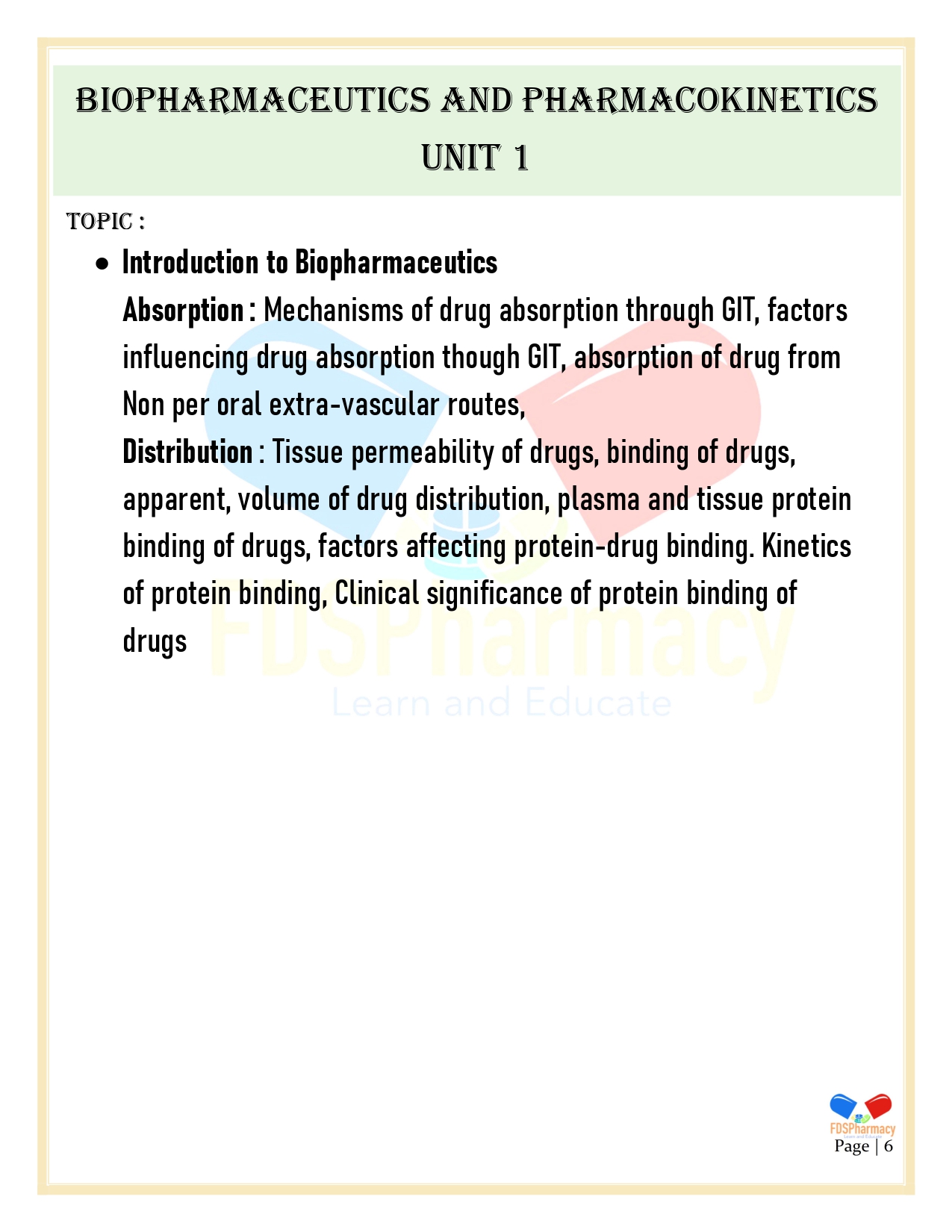
Introduction to Biopharmaceutics
Absorption : Mechanisms of drug absorption through GIT, factors influencing drug absorption though GIT, absorption of drug from Non per oral extra-vascular routes,
Distribution Tissue permeability of drugs, binding of drugs, apparent, volume of drug distribution, plasma and tissue protein binding of drugs, factors affecting protein-drug binding. Kinetics of protein binding, Clinical significance of protein binding of drugs
Unit 2
Elimination : Drug metabolism and basic understanding metabolic pathways renal excretion of drugs, factors affecting renal excretion of drugs, renal clearance, Non renal routes of drug excretion of drugs
Bioavailability and Bioequivalence : Definition and Objectives of bioavailability, absolute and relative bioavailability, measurement of bioavailability, in-vitro drug dissolution models, in-vitro-in-vivo correlations, bioequivalence studies, methods to enhance the dissolution rates and bioavailability of poorly soluble drugs.
Unit 3
Pharmacokinetics : Definition and introduction to Pharmacokinetics, Compartment models, Non compartment models, physiological models, One compartment open model. (a). Intravenous Injection (Bolus) (b). Intravenous infusion and (c) Extra vascular administrations. Pharmacokinetics parameters- KE ,t1/2,Vd,AUC,Ka, Clt and
CLR- definitions methods of eliminations, understanding of their significance and application
Unit 4
Multicompartment models : Two compartment open model. IV bolus
Kinetics of multiple dosing, steady state drug levels, calculation of loading and mainetnance doses and their significance in clinical settins.
Unit 5
Nonlinear Pharmacokinetics :
a. Introduction,
b. Factors causing Non-linearity.
c. Michaelis-menton method of estimating parameters, Explanation with example of drugs.
Pharmaceutical Biotechnology { BP605T }
All Unit Notes in One PDF
Unit 1
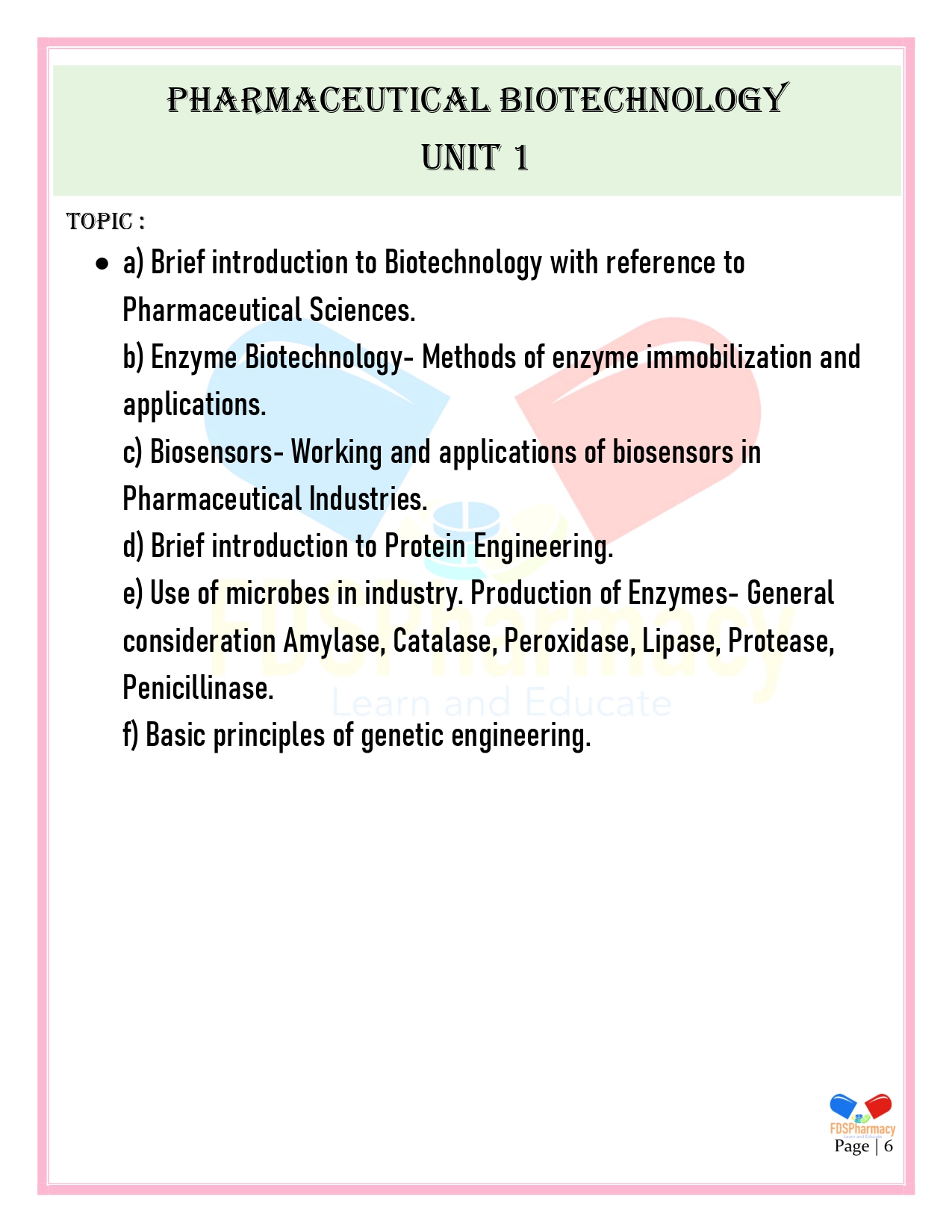
a) Brief introduction to Biotechnology with reference to Pharmaceutical Sciences.
b) Enzyme Biotechnology- Methods of enzyme immobilization and applications.
c) Biosensors- Working and applications of biosensors in Pharmaceutical Industries.
d) Brief introduction to Protein Engineering.
e) Use of microbes in industry. Production of Enzymes- General consideration Amylase, Catalase, Peroxidase, Lipase, Protease, Penicillinase.
f) Basic principles of genetic engineering.
Unit 2
a) Study of cloning vectors, restriction endonucleases and DNA ligase.
b) Recombinant DNA technology. Application of genetic engineering in medicine.
c) Application of r DNA technology and genetic engineering in the production of:
i) Interferon
ii) Vaccines- hepatitis- B
iii) Hormones-Insulin.
d) Brief introduction to PCR
Unit 3
Types of immunity- humoral immunity, cellular immunity
a) Structure of Immunoglobulins
b) Structure and Function of MHC
c) Hypersensitivity reactions, Immune stimulation and Immune suppressions.
d) General method of the preparation of bacterial vaccines, toxoids, viral vaccine, antitoxins, serum-immune blood derivatives and other products relative to immunity.
e) Storage conditions and stability of official vaccines
f) Hybridoma technology- Production, Purification and Applications
g) Blood products and Plasma Substituties
Unit 4
a) Immuno blotting techniques- ELISA, Western blotting, Southern blotting.
b) Genetic organization of Eukaryotes and Prokaryotes
c) Microbial genetics including transformation, transduction, conjugation, plasmids and transposons.
d) Introduction to Microbial biotransformation and applications.
e) Mutation : Types of mutation/mutants.
Unit 5
a) Fermentation methods and general requirements, study of media, equipments, sterilization methods, aeration process, stirring.
b) Large scale production fermenter design and its various controls.
c) Study of the production of- penicillins, citric acid, Vitamin B12, Glutamic acid, Griseofulvin,
d) Blood Products: Collection, Processing and Storage of whole human blood, dried human plasma, plasma Substituties.
Related products
-
B.Pharma Notes
B.Pharmacy 2nd Semester Notes
Original price was: ₹999.00.₹199.00Current price is: ₹199.00. Add to cart -
B.Pharmacy 6th Semester Notes
Pharmacology – III All Unit Notes
Original price was: ₹99.00.₹49.00Current price is: ₹49.00. Add to cart -
B.Pharma Notes
B.Pharmacy 3rd Semester Notes
Original price was: ₹999.00.₹199.00Current price is: ₹199.00. Add to cart -
B.Pharma Notes
B.Pharmacy 4th Semester Notes
Original price was: ₹999.00.₹199.00Current price is: ₹199.00. Add to cart



Reviews
There are no reviews yet.